AI-powered experiential marketing technologies are turning branded events into intelligent, data-driven ecosystems. In 2026, brands no longer compete only for attention — they compete for immersive presence. AI is now the core engine behind physical-digital convergence, enabling real-time personalization, spatial computing, and dynamic 3D storytelling.
For startups, SaaS companies, enterprise retailers, and innovation-driven marketers, the question is no longer whether to invest in experiential technology — but which AI-powered solutions deliver measurable impact.
Below are the most influential AI-powered experiential marketing technologies defining 2026 — from immersive retail analytics to 3D holographic displays.
In 2026, experiential marketing has shifted into AI-driven ecosystems where physical spaces behave like measurable media channels. Brands use AI for real-time personalization, immersive 3D storytelling, and closed-loop analytics that connect attention to conversion. The biggest impact comes from scalable stacks that combine holography, adaptive signage, spatial computing, and cloud-managed content optimized by data.
Table of Contents
- 1. AI-Powered 3D Holographic Displays (Enterprise-Ready)
- 2. AI-Driven In-Store Behavioral Analytics
- 3. Generative AI for Immersive Content Creation
- 4. AI-Enhanced Interactive Digital Signage
- 5. Spatial Computing & Mixed Reality Experiences
- 6. AI-Powered Retail Media Networks
- Why 2026 Is a Tipping Point
- What Startups and Growth Teams Should Consider
- Final Thoughts
1. AI-Powered 3D Holographic Displays (Enterprise-Ready)
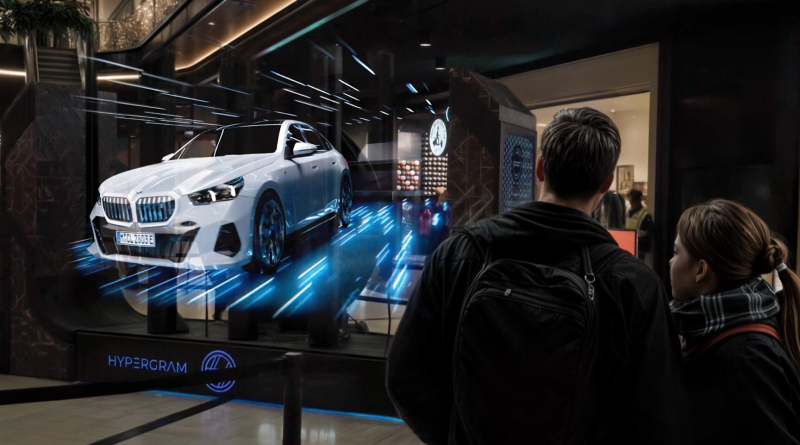
3D holographic displays have moved far beyond novelty. In 2026, they are becoming a core component of immersive retail strategy, especially for flagship stores, product launches, and high-traffic retail environments.
Unlike traditional LED walls or static digital signage, AI-powered holographic systems can dynamically adjust content based on:
- Location analytics
- Time-of-day behavioral patterns
- Audience demographics
- Campaign objectives
Enterprise-grade platforms such as Hypervsn provide centralized cloud-based content management, enabling brands to manage and distribute 3D holographic content across multiple retail locations at scale. This allows marketing teams to:
- Launch coordinated global campaigns
- A/B test physical retail creatives
- Integrate AI-generated 3D assets
- Track engagement metrics in real time
Why it matters in 2026:
- Retail spaces are evolving into media channels
- Attention span requires high-contrast visual disruption
- Brands seek measurable ROI from physical presence
For experiential marketers, holography is becoming the premium layer of physical storytelling.
2. AI-Driven In-Store Behavioral Analytics
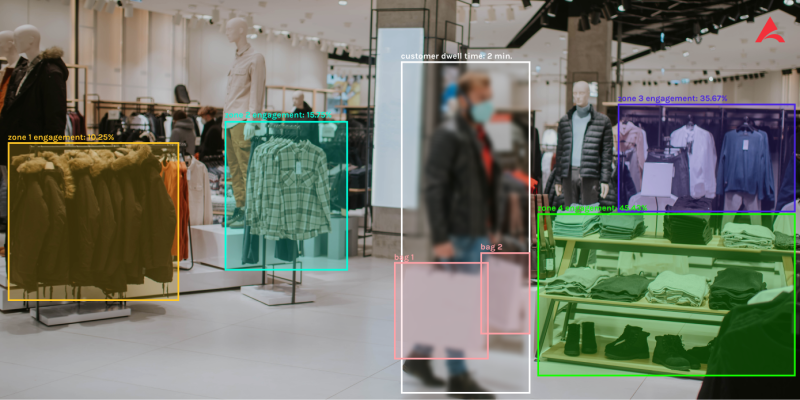
AI-powered computer vision systems now provide real-time heatmaps, engagement tracking, and predictive behavior modeling inside stores.
Modern retail analytics platforms combine:
- Camera-based computer vision
- Edge AI processing
- Machine learning segmentation
- POS data integration
This enables brands to understand:
- Dwell time around installations
- Engagement impact of immersive displays
- Product interaction patterns
- Conversion influence of experiential zones
When integrated with immersive technologies such as holographic displays or interactive screens, analytics systems close the loop between attention and conversion.
Experiential marketing in 2026 is no longer abstract branding — it’s measurable spatial performance marketing.
3. Generative AI for Immersive Content Creation

Generative AI has drastically reduced production timelines for experiential campaigns.
Marketing teams now use AI tools to:
- Generate 3D product animations
- Localize immersive visuals across regions
- Create adaptive creatives in multiple formats
- Simulate in-store visual impact before deployment
Instead of months of agency production cycles, brands can iterate 3D experiential concepts in days.
In 2026, leading teams are using:
- Text-to-3D generation tools
- AI-assisted motion design
- Predictive creative optimization
- Automated versioning for multi-location rollouts
This accelerates go-to-market timelines while keeping experiential content hyper-relevant.
4. AI-Enhanced Interactive Digital Signage
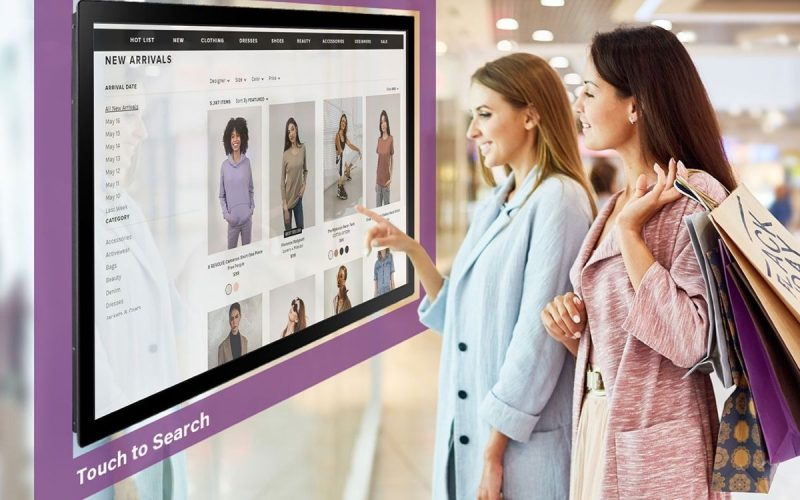
Static screens are obsolete. AI-enhanced digital signage now adapts messaging based on audience detection and contextual triggers.
Capabilities include:
- Age/gender approximation
- Dynamic offer personalization
- Gesture-based interaction
- Real-time campaign swapping
For example, a display can:
- Show luxury messaging during peak commuter hours
- Shift to discount messaging in off-peak periods
- Trigger product explainer videos when dwell time exceeds thresholds
This transforms digital signage from broadcast media into responsive brand dialogue.
5. Spatial Computing & Mixed Reality Experiences
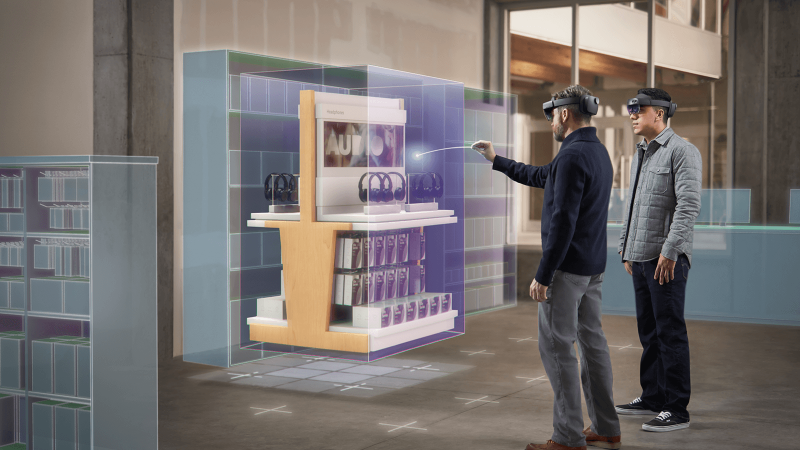
Spatial computing blends physical retail with AR overlays and immersive interactions.
Brands are deploying:
- Smart AR mirrors
- Virtual try-on stations
- Interactive product storytelling walls
- Spatial product configurators
AI enhances these experiences by:
- Personalizing product suggestions
- Adapting content to user behavior
- Predicting conversion likelihood
Experiential marketing is becoming a hybrid reality layer — not separate from commerce, but embedded within it.
6. AI-Powered Retail Media Networks
Retail media networks are expanding beyond online marketplaces into physical stores.
In 2026, AI-powered retail media integrates:
- Digital signage networks
- 3D experiential placements
- Real-time shopper data
- Programmatic content buying
Physical stores are now monetizable advertising environments.
Brands can:
- Buy physical media inventory dynamically
- Optimize creatives via AI performance data
- Integrate omnichannel campaign metrics
Experiential marketing is merging with programmatic advertising.
Why 2026 Is a Tipping Point
Three forces are accelerating AI-powered experiential technologies:
1. Attention Economics
Consumers are desensitized to traditional screens. Immersive 3D formats disrupt visual noise.
2. Retail-as-Media Strategy
Physical stores are becoming brand broadcast channels.
3. AI Operational Efficiency
Cloud CMS + AI content tools reduce production friction and enable global scalability.
Experiential marketing is no longer a campaign tactic — it’s infrastructure.
What Startups and Growth Teams Should Consider
For founders and marketing leaders evaluating AI-powered experiential tools:
Ask:
- Is the solution scalable across locations?
- Does it integrate with analytics systems?
- Can content be centrally managed?
- Is it enterprise secure?
- Does it support AI-generated creative workflows?
The most effective technologies combine:
- Immersive visual impact
- Data feedback loops
- Cloud orchestration
- AI-driven optimization
Final Thoughts
AI-powered experiential marketing technologies in 2026 are redefining how brands occupy physical space.
From intelligent 3D holographic displays to adaptive digital signage and spatial computing layers, the boundary between digital and physical marketing is dissolving.
For forward-thinking brands, immersive AI infrastructure is becoming as essential as SEO, paid media, and CRM automation.
The future of brand experience is not flat — it’s dimensional, data-driven, and intelligent.
What are AI-powered experiential marketing technologies in 2026?
In 2026, they are AI-driven systems that connect physical spaces with digital experiences, enabling real-time personalization, immersive presence, and measurable performance.
How do AI-powered 3D holographic displays work in retail?
AI-powered holographic displays dynamically adjust 3D content based on signals like location analytics, time-of-day behavior, audience demographics, and campaign objectives.
Enterprise platforms also support centralized cloud content management, multi-location rollouts, A/B testing, and real-time engagement tracking.
What does AI-driven in-store behavioral analytics measure?
AI computer vision systems measure heatmaps, dwell time, engagement around installations, product interaction patterns, and how experiential zones influence conversion.
When connected to immersive displays, analytics helps link attention signals to sales outcomes for measurable spatial performance marketing.
How is generative AI changing immersive content creation?
Generative AI reduces production timelines by helping teams generate 3D product animations, localize immersive visuals, create adaptive creatives, and simulate in-store impact before deployment.
This enables faster iteration, automated versioning for multi-location rollouts, and more relevant creative updates.
What makes AI-enhanced digital signage different from static screens?
AI-enhanced signage adapts messaging using audience detection and contextual triggers such as age/gender approximation, dwell time, and real-time campaign swapping.
It turns screens from broadcast media into responsive brand dialogue that can change by time, context, and observed engagement.
What should startups and growth teams evaluate before adopting these tools?
The key questions are whether the solution scales across locations, integrates with analytics, supports centralized cloud content management, is enterprise secure, and fits AI-generated creative workflows.

Andrej Fedek is the creator and the one-person owner of two blogs: InterCool Studio and CareersMomentum. As an experienced marketer, he is driven by turning leads into customers with White Hat SEO techniques. Besides being a boss, he is a real team player with a great sense of equality.