
Social media campaign examples can look simple after they work. A brand posts something clever, people start sharing it, and suddenly it feels like the whole campaign took off on its own.
In reality, the best campaigns are usually built much more carefully than they seem. They work because the idea fits the audience, the platform, and the moment.
That is why real examples are worth studying.
They show what actually gets attention, what drives participation, and what gives people a reason to care.
In this guide, you will find 30 social media campaign examples marketers can learn from in 2026. Some are huge brand plays, while others are simpler ideas executed so well that they still stand out.
Great social media campaigns work because they are built for audience behavior, not just brand visibility. The strongest examples in 2026 combine platform-native content, clear campaign goals, and a reason for people to engage, whether that comes from humor, creators, community participation, or cultural timing. In practice, the best social media campaign examples show that strong results usually come from relevance and participation, not from posting more content.
Table of Contents
30 Social Media Campaign Examples Marketers Can Learn From
Viral and culture-driven campaign examples
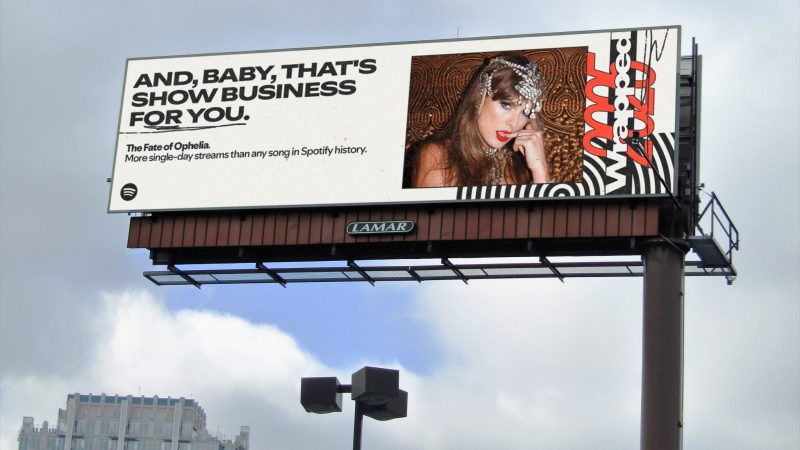
1. Spotify Wrapped
Spotify Wrapped remains one of the clearest examples of a social campaign becoming a yearly habit. Instead of asking users to share generic branded content, Spotify gives each listener a personalized recap designed to be posted, discussed, and compared, which turns the audience into the distribution engine.
2. Airbnb Icons
Airbnb Icons worked because the product itself was built for social media. By launching highly visual, culturally recognizable stays and experiences such as the Up house, Airbnb created moments people wanted to screenshot, repost, and talk about before they ever booked anything.

3. CeraVe x Michael Cera
The Michael CeraVe campaign succeeded by letting curiosity build before the reveal. Instead of opening with a straightforward skincare ad, CeraVe turned the campaign into a joke people could participate in, then used that attention to reinforce its dermatologist-developed positioning.
4. Visit Oslo — “Is It Even a City?”
Visit Oslo stood out by rejecting polished tourism clichés and leaning into dry self-aware humor. The campaign questioned whether Oslo was “even a city,” making it more memorable than typical destination marketing language and helping it spread internationally.
5. Liquid Death — “Don’t Be Scared. It’s Just Water.”
Liquid Death continues to prove that brand voice can be the campaign. Its “Don’t Be Scared. It’s Just Water.” positioning works because it treats packaged water like a punk-media brand, giving something ordinary a tone that people instantly recognize and remember.
User-generated content and participation-led campaign examples
6. Chipotle — #GuacDance
Chipotle’s #GuacDance campaign remains a model of how to make participation easy. The prompt was simple, the timing was tied to National Avocado Day, and the reward was clear, which is exactly why it generated so much audience action instead of passive scrolling.
7. GoPro — Earth Day Photo Challenge
GoPro’s Earth Day Photo Challenge is a strong UGC example because it gave people a clear creative brief and a cause-based reason to join. Participants were invited to submit landscape photos, with winning entries featured by the brand and tied to a donation benefiting The Ocean Cleanup.
8. Apple — #ShotOniPhone
Apple’s Shot on iPhone campaign worked because it let customers prove the product promise for the brand. Instead of just telling people the camera was excellent, Apple invited users to submit their own photos and then elevated the winning work across billboards, stores, and digital placements.

9. ALS Association — Ice Bucket Challenge
The Ice Bucket Challenge remains one of the most famous examples of social participation at scale. Its nomination mechanic, visible action, and charitable link made it easy for people to join publicly while also spreading awareness and donations through network effects.
10. Gymshark — Gymshark66
Gymshark66 works because it is built around sustained behavior, not just a one-day stunt. The challenge encourages participants to commit to positive habits for 66 days, which gives the campaign a stronger community feel than a typical short-term hashtag push.
Influencer and creator-led campaign examples
11. Calvin Klein x Bad Bunny
Calvin Klein’s Spring 2025 campaign with Bad Bunny shows how much cultural timing matters in creator-led marketing. The partnership felt bigger than a standard endorsement because it combined a globally recognized artist, a visually iconic category, and a format that spreads naturally across fashion and fan communities.
12. Dunkin’ — “The Charli”
Dunkin’ moved beyond sponsorship by turning Charli D’Amelio’s real go-to order into a named menu item. That gave the collaboration more social life than a one-off post because fans were not just seeing content, they were ordering and sharing a creator-connected product.
13. SKIMS — Campus Collection x RushTok
SKIMS made a smart move by connecting its Campus Collection to RushTok, an already active and highly visible cultural moment on TikTok. The campaign felt timely because it entered a conversation that was already happening rather than trying to manufacture one from scratch.
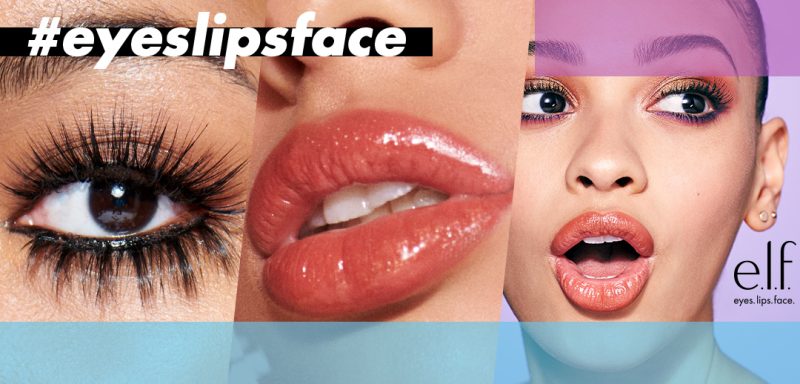
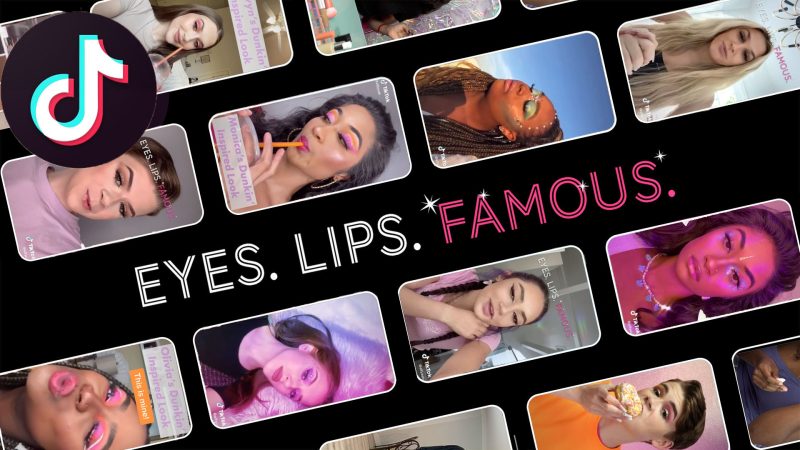
14. e.l.f. Cosmetics — #eyeslipsface
e.l.f. created one of the earliest standout TikTok brand campaigns by combining original music with a highly repeatable creative prompt. The result was a campaign that felt native to the platform and encouraged participation instead of simply broadcasting an ad.
15. Notion — Notion Faces
Notion Faces is a useful B2B-friendly creator example because it turned profile images into social assets and pushed them through creators on LinkedIn. That made the campaign feel human, playful, and visibly platform-native, which is rare for software marketing.
Product launch and launch-support campaign examples
16. PlayStation 5 launch campaign
The PlayStation 5 launch campaign succeeded by treating the console release like a cultural event instead of a simple product announcement. Through reveal moments, launch ads, and a clear global rollout, Sony built anticipation over time and gave fans plenty of content to share and react to.
17. Wicked movie campaign
The social marketing around Wicked is a strong example of launch momentum built through fandom, partnerships, and visual world-building. Rather than relying on one trailer cycle, the campaign stretched across multiple touchpoints that kept the movie in conversation well beyond a single announcement window.
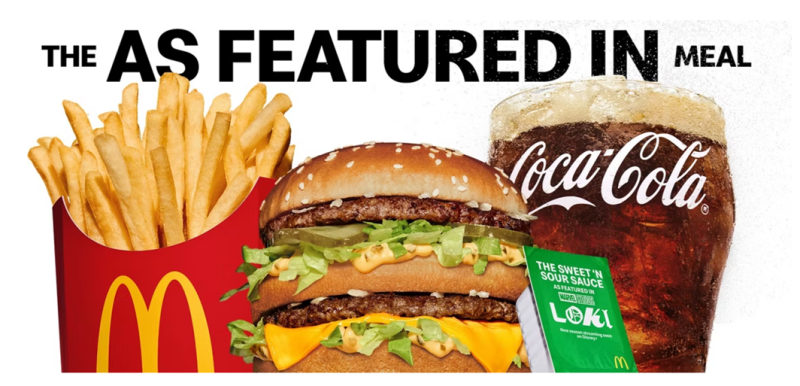
18. McDonald’s — As Featured In Meal
McDonald’s turned decades of pop-culture cameos into a campaignable product story with the As Featured In Meal. By packaging familiar menu items as entertainment history, the brand created a nostalgia-based idea that was easy to explain and easy to share.
19. NYX Professional Makeup — True ID Card
NYX’s True ID Card campaign worked because it tied the brand to a conversation that was already emotionally meaningful to its audience. Instead of forcing relevance, the campaign connected beauty, self-expression, and participation in a way that gave the creative concept real weight.
20. Kiehl’s — “Don’t Rebuy. Just Refill.”
Kiehl’s built a cleaner sustainability message by focusing on one memorable action: refill instead of rebuy. The campaign worked because it translated an environmental goal into a simple consumer behavior that could be easily repeated, explained, and visualized.
Hashtag, challenge, and community-building campaign examples
21. Mercedes-Benz — #MBStarChallenge
Mercedes-Benz used #MBStarChallenge to invite TikTok users to reinterpret the brand’s logo in their own style. That was smart because it gave people a creative role in the campaign instead of limiting them to passive consumption, which is exactly how challenge-based campaigns become social rather than merely promotional.
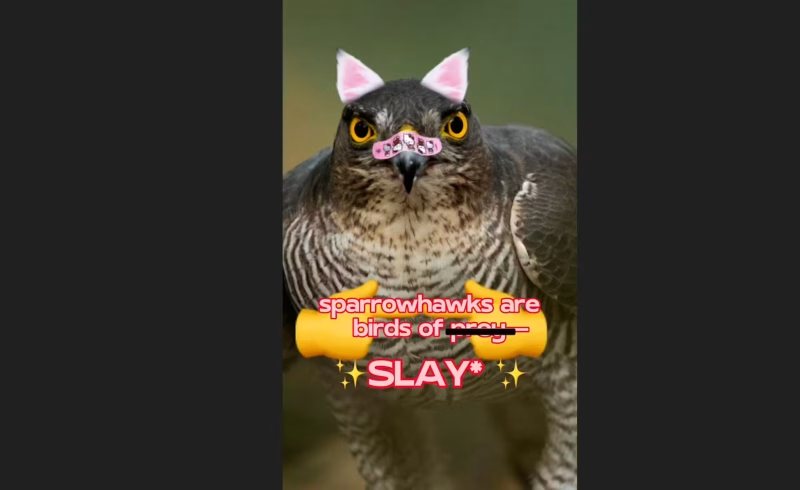
22. RSPB — Bird of the Week
RSPB’s Bird of the Week series is proof that even a traditional organization can win on TikTok when it embraces platform behavior. By mixing educational content with humor and recurring formats, the campaign made bird content feel entertaining enough to follow, share, and anticipate.
23. Olipop — Sleepy Girl Mocktail trend amplification
Olipop did something many brands fail to do well: it noticed an organic trend and stepped into it without smothering it. By building content around a conversation that was already gaining traction, the brand amplified behavior that felt user-led rather than obviously staged.
24. Heinz — Ketchup Insurance
Heinz’s Ketchup Insurance campaign worked because it took a common mess and exaggerated it into a funny brand-owned premise. The idea was immediately understandable, visually rich, and built to travel across short-form content because the joke was easy to grasp in seconds.
25. Dropbox — #LifeInsideDropbox
Life Inside Dropbox shows how employee-centered content can function as a social campaign rather than just HR material. By turning workplace stories, behind-the-scenes content, and team identity into an ongoing brand stream, Dropbox made company culture more visible and more shareable.
B2B, education-led, and format-breaking campaign examples
26. Shopify’s education-first YouTube strategy
Shopify’s YouTube ecosystem is a good example of long-term campaign thinking in B2B and entrepreneurship content. Instead of pushing product messaging in every video, Shopify leads with tutorials, guides, and business education, which builds trust before it asks for conversion.
27. Hilton — “The TikTok You Stay In”
Hilton’s 10-minute TikTok campaign stood out precisely because it broke the platform’s expectations. Rather than shrinking its idea to fit the shortest possible format, the brand used an unusual length and creator participation to make the campaign feel like the story itself.
@parishilton The countdown starts NOW! @hilton and I made a 10-minute TikTok that drops in ✨2 DAYS✨ Follow @Hilton to watch it on 2/15 to see me and lots of other creators. You can even enter for a chance to win up to 1M Hilton Honors Points, experiences, swag + more! Will you stay with us? 💕 #ThatsHot 🔥 #HiltonForTheStay #ParisForTheSlay ♬ original sound – ParisHilton
28. Porsche — creator and community storytelling
Porsche’s social and partnership content shows how a premium brand can stay aspirational without becoming distant. Whether through collaborations, creator-facing stories, or enthusiast-led creative series, the brand maintains its identity while producing content that feels social rather than purely corporate.
29. Duolingo’s mascot-led TikTok strategy
Duolingo’s TikTok presence is one of the clearest examples of a brand character becoming a distribution system. Instead of treating social media as a place to repost product updates, Duolingo built a recurring persona that made even simple content feel entertaining enough to earn views and follows.
30. McDonald’s Big Arch viral CEO moment
The Big Arch CEO clip is a great example of how not all campaign energy starts with polished creative. A LinkedIn video of McDonald’s CEO eating the new burger turned into a meme wave and then into a broader marketing moment, showing how quickly social conversation can reshape a campaign’s life.
| Campaign Type | What It Does Best | Best For |
|---|---|---|
| Viral and Culture-Driven | Captures attention fast through humor, spectacle, timing, or surprise. | Brand awareness, product buzz, and cultural relevance. |
| UGC and Participation-Led | Turns customers and followers into active contributors instead of passive viewers. | Community building, organic reach, and social proof. |
| Influencer and Creator-Led | Extends reach through trusted personalities and platform-native storytelling. | New audience reach, launches, and lifestyle positioning. |
| Product Launch Campaigns | Builds anticipation and gives the launch a story people want to follow. | Product reveals, seasonal drops, and entertainment releases. |
| Hashtag and Community Campaigns | Creates a repeatable structure people can join, reference, and revisit. | Engagement, loyalty, and recurring brand interaction. |
| B2B and Education-Led | Builds trust through useful content, employee voices, or format innovation. | Thought leadership, lead generation, and brand trust. |
What Makes a Social Media Campaign Successful?
A successful social media campaign starts with a clear objective long before the first post goes live. The team knows exactly what the campaign is supposed to do, whether that means building awareness, shaping perception, launching a product, driving signups, increasing sales, or strengthening customer loyalty.
Without that clarity, even impressive engagement can amount to very little.
The strongest campaigns also respect platform behavior instead of forcing the same idea into every channel. TikTok tends to reward speed, humor, visual disruption, and creator-native storytelling. LinkedIn performs better when the content has a strong point of view and clear professional relevance. Instagram still favors visual identity, lifestyle positioning, and content people want to save or share.
The best marketers adjust the format to fit the platform while keeping the core campaign idea intact.
Strong creativity matters too, but creativity alone is rarely enough. A campaign needs a participation mechanic, an emotional hook, or a practical reason for people to care. In some cases, that comes from humor. In others, it comes from identity, aspiration, exclusivity, cultural timing, or community belonging.
The strongest social media campaigns give audiences a reason to do more than passively scroll.
Measurement is the final piece. Some campaigns are built for reach and brand recall, while others are designed to drive direct action.
The smartest teams decide in advance which metrics actually matter, then judge performance against those goals rather than getting distracted by vanity numbers after the campaign is over.
Across these 30 social media campaign examples, one pattern becomes very clear: the best campaigns are not built around the brand’s desire to post more content. They are built around audience behavior.
They begin with a sharper question: what would make someone stop, care, react, share, imitate, or join in?
Some brands achieve that through personalization, as Spotify does with Wrapped. Others build around spectacle and visual storytelling, like Airbnb Icons. Some lean into humor, like CeraVe and Liquid Death. Others win through community participation, creator alignment, product timing, or emotionally relevant messaging.
The tactics vary, but the strategic foundation stays surprisingly consistent.
The most effective campaigns understand that attention is not enough on its own. Attention has to connect to something meaningful, whether that is cultural relevance, product desire, social identity, entertainment value, or a clear action the audience wants to take next.
That is why the strongest examples in this list feel different on the surface, yet still share the same underlying logic.
The bigger lesson is simple. Great social media campaigns do not all follow one formula, but they usually outperform average content in one important way: they better understand audience incentives.
They know why people would participate, not just what the brand wants to say.
Conclusion
If you are planning a social media campaign in 2026, it is smarter to study the logic behind successful campaigns than to copy their surface details. You do not need the same budget, celebrity access, or cultural moment to build something effective.
What you need is a clear objective, a sharp understanding of your audience, a format that fits the platform, and an idea people can immediately grasp.
The best campaigns in this list succeeded for different reasons, but they all gave people a reason to respond.
The strongest campaigns invited participation, created aspiration, made people laugh, or connected with identity, timing, and community.
In every case, the campaign worked because it made itself easy to understand and worth engaging with.
That is what separates memorable social media campaigns from the endless stream of content that gets posted, skimmed, and forgotten.
The brands that win are usually the ones that know exactly what reaction they want, why the audience would give it, and how to make that reaction feel natural.
What is a social media campaign?
A social media campaign is a planned marketing effort built around a specific goal, timeline, and message across one or more social platforms.
Unlike routine posting, a campaign is designed to create a focused result such as awareness, engagement, leads, or sales.
What makes a social media campaign successful?
A successful social media campaign usually starts with a clear goal, a strong understanding of the target audience, and a format that fits the platform.
The best campaigns also give people a reason to respond, share, or participate instead of simply asking them to watch.
Which platforms are best for social media campaigns?
The best platform depends on the campaign goal, audience behavior, and content format.
TikTok often works well for fast reach and participation, Instagram is strong for visual storytelling, LinkedIn fits B2B campaigns, and YouTube is effective for education and longer-form content.
Do social media campaigns need a big budget to work?
No, a social media campaign does not need a massive budget to perform well.
Many of the strongest campaigns succeed because the idea is clear, timely, and easy for people to engage with, not because the spend is unusually high.
Why should marketers study social media campaign examples?
Studying social media campaign examples helps marketers see what kinds of ideas, formats, and audience triggers actually work in the real world.
The goal is not to copy another brand’s campaign, but to understand the logic behind why it worked and apply that insight in a more original way.

Andrej Fedek is the creator and the one-person owner of two blogs: InterCool Studio and CareersMomentum. As an experienced marketer, he is driven by turning leads into customers with White Hat SEO techniques. Besides being a boss, he is a real team player with a great sense of equality.