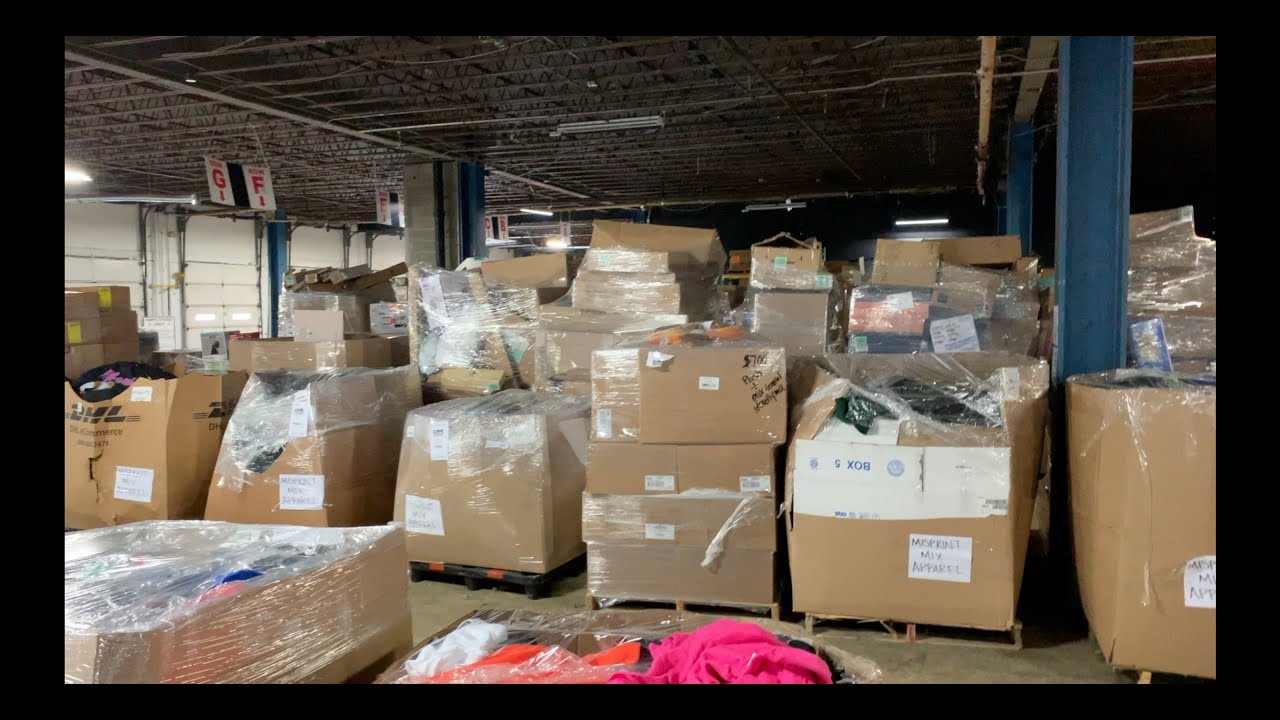
Amazon return pallets are bulk lots of returned, overstocked, or otherwise liquidated merchandise sold by the pallet rather than placed back into regular retail inventory. They can include anything from electronics and home goods to clothing, tools, toys, and unopened products.
Returns are a major part of online retail. The National Retail Federation estimated that 19.3% of online sales would be returned in 2025, while total retail returns were projected to reach $849.9 billion. Processing every returned item individually can be expensive, so retailers and liquidation partners may resell part of this inventory in bulk instead.
That is where Amazon return pallets come in. Buyers can purchase mixed lots at prices well below the original retail value, although the condition, contents, and resale potential can vary considerably from one pallet to another.
For resellers and bargain hunters, this creates an opportunity for the customers to buy inventory at a lower cost and potentially resell individual items for a profit. The key is knowing where to find legitimate Amazon return pallets for sale and what to check before placing an order.
Below, we cover the best places to buy Amazon return pallets, what these pallets typically contain, how much they can cost, and the risks to consider before buying.
What Are Amazon Return Pallets?
Amazon return pallets are bulk lots of merchandise that customers have sent back to Amazon. In simple terms, they are pallets of goods that have been returned to Amazon and are later sold through liquidation companies, auctions, and wholesale marketplaces.
A pallet can contain unopened products, lightly used items, damaged goods, incomplete products, or merchandise that is no longer worth processing individually. Some lots include a manifest showing the expected contents, while others are sold with limited information.
Prices are usually well below the combined retail value of the products, but that does not guarantee a profit. The condition of the merchandise, shipping costs, missing parts, marketplace fees, and the amount you can realistically resell all affect the final margin.
You may buy Amazon return inventory by the pallet, in multiple pallets, or as a full truckload, depending on the liquidation seller and the quantity available.
Where to Buy Amazon Return Pallets Near Me?
If you want to buy Amazon return pallets locally, start with liquidation warehouses, wholesale pallet stores, auction houses, and resellers that offer local pickup. Local pickup can be especially valuable because freight costs can quickly erase the discount on a cheap pallet.
You can also find Amazon return inventory through online liquidation marketplaces that ship pallets or full truckloads. Before buying, check whether the lot includes a manifest, what condition grades the seller uses, whether the products have been inspected, and how much delivery will add to the final cost.
A good pallet may contain products you can resell them and turn up a huge profit, but resale margins vary widely. Damaged items, missing accessories, marketplace fees, and slow-moving inventory can reduce the amount you actually make.
If you already run a resale business or physical store, sourcing some liquidation pallets near me can make more sense than ordering from a distant warehouse because you may be able to inspect the seller, avoid high freight charges, and restock faster.
Amazon return pallets can contain electronics, clothing, home goods, tools, toys, small appliances, and many other product categories. If you resell items individually, tools such as Zintego’s Online Invoice Generator can also help you create invoices and keep basic billing records organized.
Best Places to Buy Amazon Return Pallets
Liquidation marketplaces, auction platforms, wholesalers, and dedicated liquidation company websites sell Amazon return pallets. Availability changes frequently, so the exact inventory you find today may be gone tomorrow.
Some marketplaces let you filter inventory by retailer or seller, making it easier to find Amazon returns. Others mix Amazon merchandise with returns and overstock from Walmart, Target, Home Depot, and other major retailers.
Before buying from any platform, check the pallet condition, manifest details, warehouse location, buyer fees, shipping costs, and whether the seller offers any inspection or dispute process.
Below are some of the best-known places to look for Amazon return pallets and other liquidation inventory.
1. Amazon Liquidation Auctions (USA)
Amazon Liquidation Auctions is an official B2B marketplace hosted through B-Stock where qualified US business buyers can bid on inventory sourced directly from Amazon.
The marketplace includes more than just customer returns. Listings can contain overstock, returned merchandise, and warehouse-damaged inventory, with lots ranging from individual pallets to larger bulk purchases.
Common product categories include:
- Home goods
- Apparel and footwear
- Consumer electronics
- Books and media
- Groceries
- Accessories
- Mixed general merchandise
Buyers must register and be approved before bidding. A valid reseller certificate is required, and eligibility is currently limited to buyers in the contiguous United States.
Each auction listing provides its own condition, estimated quantity, shipping information, and inventory details. Some lots include customer returns, while others contain overstock or products in different condition grades, so check the auction description carefully before bidding.
Shipping also deserves attention. Amazon Liquidation Auctions does not offer buyer pickup, and standard orders can take up to 28 days to ship after payment. Freight costs should therefore be included when calculating whether a pallet will leave enough margin for resale.
Amazon also has a much broader business and technology ecosystem. For professionals researching AWS qualifications, Amazon certification material covers a completely separate side of the company from its retail liquidation marketplace.
2. Buy Liquidation Pallets at Select Liquidation
Select Liquidation is a US wholesale liquidation company focused heavily on truckload inventory, including customer returns, overstock, and closeout merchandise from major retailers.
Its inventory can include products sourced from Amazon, Walmart, Target, and other large retailers, with categories such as tools, general merchandise, clothing, electronics, and mixed loads.
Unlike auction-based marketplaces, Select Liquidation uses a flat-price model on many listings. That makes the buying process more predictable because you can see the asking price before committing rather than bidding against other buyers.
This platform makes more sense for resellers who are comfortable buying larger quantities, especially truckloads or high-volume liquidation inventory. Before ordering, check the lot details, condition, shipping cost, and whether the merchandise is manifested or mixed.
3. Buy Amazon Return Pallets Through B-Stock (UK)
B-Stock operates the Amazon Europe liquidation marketplace, where business buyers can bid on or purchase Amazon customer returns and other liquidation inventory. The platform offers UK stock, including pallet, LTL, and larger truckload-sized lots.
The condition and contents of each lot can vary significantly. Some listings contain customer returns, while others may include mixed merchandise in different condition grades. Always read the manifest, condition notes, estimated retail value, and shipment details before bidding.
B-Stock also requires buyers to register for marketplace access, and Amazon Europe buyers currently need a valid VAT ID on file.
Although B-Stock operates liquidation marketplaces across several regions, buyers looking to sell Amazon products should focus on the Amazon Europe marketplace and filter listings by country, inventory type, condition, and shipment size.
Shipping arrangements depend on the individual listing. Freight costs can be substantial on multi-pallet or truckload purchases, so calculate transport expenses before deciding how much you are willing to bid.
Some liquidation sellers also create online brochures or detailed catalogs to present available inventory, but B-Stock listings typically provide the relevant lot details directly on the auction page.
4. Buy Amazon Return Pallets on Liquidation.com
Liquidation.com is a large wholesale liquidation marketplace with inventory from Amazon and other retailers. Lots can be sold as individual packages, pallets, or full truckloads, depending on the seller and the available merchandise.
Amazon inventory on the platform can include customer returns, shelf pulls, overstock, and damaged merchandise. Common categories include:
- Consumer electronics
- Computers and networking equipment
- Housewares
- Clothing and accessories
- General merchandise
- Tools and machinery
Most Liquidation.com auctions start with a minimum bid of $100, although the final price depends on competing bids. Some listings also use different purchasing formats, so check the individual lot before buying.
Many listings include a manifest, product condition, quantity, warehouse location, and estimated retail value. Pay close attention to those details and the shipping terms before bidding, since freight costs can significantly change the actual cost of an Amazon return pallet.
5. BULQ
BULQ is a US-based liquidation marketplace that sells cases and pallets of returned, overstocked, and excess merchandise. Inventory covers categories such as electronics, apparel, home goods, tools, accessories, and general merchandise.
One useful feature is the manifest information provided with many lots. BULQ states that its manifests are at least 98% accurate, which gives buyers a clearer idea of what they are purchasing before committing to a pallet.
Shipping depends on order size. Cases currently have a $30 flat shipping fee, while pallet freight is calculated according to weight, dimensions, and delivery distance. BULQ also ships to residential addresses, but buyers must indicate whether the location has a loading dock.
A resale certificate is not required to purchase from BULQ. Buyers without one on file are generally charged sales tax, while approved resale certificates can be submitted before the first purchase for tax-exempt buying where applicable.
As with any liquidation purchase, check the condition grade, manifest, freight cost, and expected resale value before ordering. Report delivery problems promptly, and buyers should document pallet damage on the Bill of Lading rather than simply refusing the shipment.
6. Direct Liquidation
Direct Liquidation is a wholesale liquidation marketplace that sells customer returns, overstock, shelf pulls, refurbished products, and end-of-life inventory from major North American retailers and manufacturers.
The platform covers more than 100 product categories, including electronics, home goods, apparel, toys, tools, and general merchandise. Lots can range from single boxes and pallets to full truckloads.
Buying is not limited to auctions. Depending on the listing, buyers may be able to place an offer or use a Buy Now option to purchase a lot immediately. Listings also include details about the source, condition, quantity, warehouse location, and available shipping options.
Manifested lots can provide additional information such as product descriptions, quantities, model numbers, UPCs, serial numbers, functionality status, and estimated retail prices. Unmanifested loads carry more uncertainty, so they require more caution when calculating potential resale margins.
Should You Buy Amazon Return Pallets?
Amazon return pallets can be a practical way to buy inventory below retail value, but the discount is only part of the equation. Shipping, condition, missing parts, buyer fees, and how quickly you can resell the products all affect whether a pallet is actually profitable.
The safest approach is to start small, buy from established liquidation platforms, and choose manifested lots whenever possible. A detailed manifest will not remove all the risk, but it gives you a much better basis for estimating resale value before you spend money.
It is also worth comparing several marketplaces instead of buying from the first seller you find. Amazon Liquidation Auctions, B-Stock, Liquidation.com, BULQ, Select Liquidation, and Direct Liquidation all use different lot sizes, pricing models, condition grades, and shipping terms.
If you are buying Amazon return pallets for resale, focus less on the headline retail value and more on what the inventory is realistically worth after freight, repairs, marketplace fees, and unsellable items are taken into account. A cheaper pallet is not always the better deal.
Direct Liquidation is worth checking if you want access to larger quantities of liquidation inventory and prefer having multiple purchase formats instead of relying only on live auctions.
