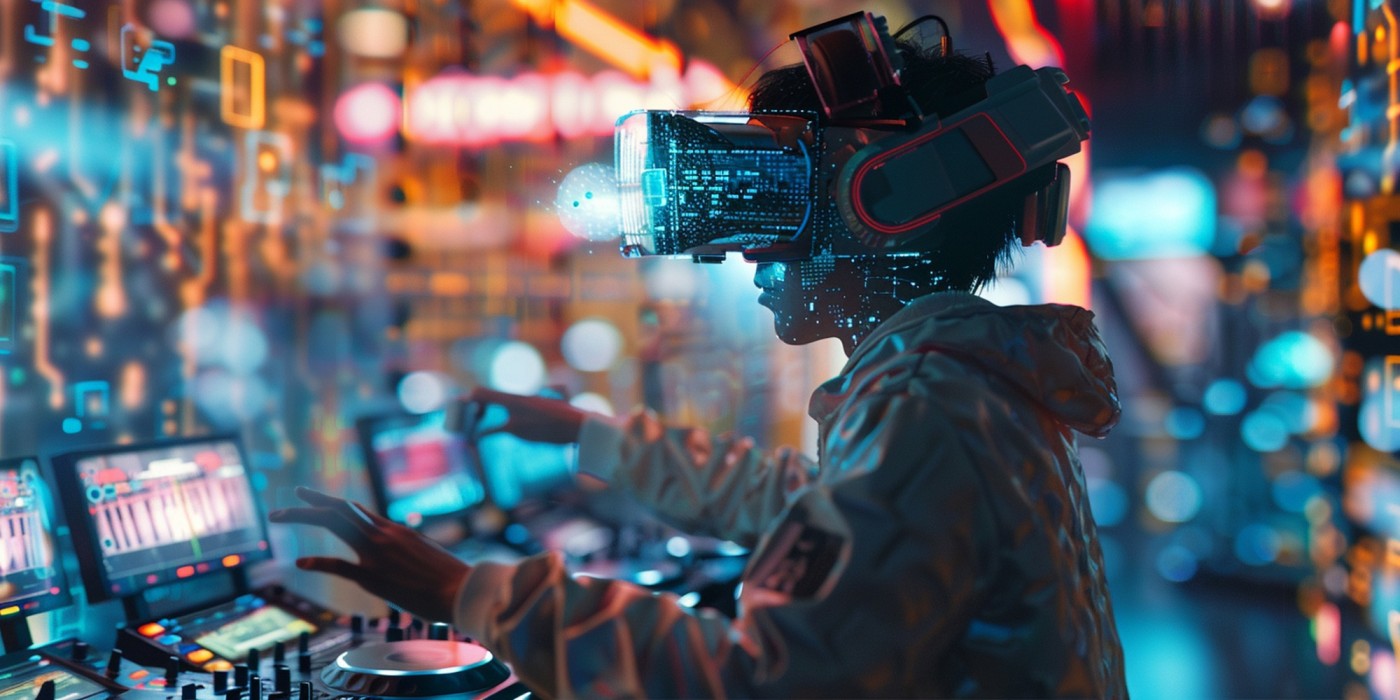
Artificial Intelligence is changing how visual content is created, edited, and improved across the digital world. From social media graphics to professional photography, AI-powered tools now help beginners, businesses, and content creators produce high-quality results faster and with much less technical effort. AI in Modern Digital Imaging is especially visible in tasks such as wallpaper generation, automated photo editing, background removal, lighting correction, and style enhancement.
What once required advanced software skills and long editing sessions can now be done more quickly, making creative production more accessible and more efficient.
AI in modern digital imaging refers to the use of machine learning tools to create, edit, and enhance visual content faster and with less manual effort. It is commonly used for tasks such as wallpaper generation, photo editing, background removal, color correction, and creative automation, helping both beginners and professionals produce high-quality digital visuals more efficiently.
AI-Powered Wallpaper in Digital Design
With the rise of digital art, a trend is emerging of using AI to create custom wallpaper. Instead of doing it by hand or downloading the same stock images, users can create personal designs tailored to their desired theme, mood, or concept.
This makes digital personalization feel more dynamic and interactive.
AI can analyze patterns, colors, and artistic styles to generate wallpaper designs that match a user’s preferred mood or theme. One person may want a calm, nature-inspired background, while another may prefer something futuristic and abstract. Because these designs can be created in seconds, wallpaper generation becomes faster, more flexible, and easier to scale.
A practical example of this technology can be found in platforms that integrate AI features for visual content generation. Tools such as AI-powered wallpaper are presented, offering auto-generated options that cater to various aesthetic tastes. This reduces the need for manual design work while making it easier to create more personalized and visually distinct digital spaces.
As AI technology advances, wallpaper generation is expected to become more intelligent, with its output increasingly informed by real-time user actions, device usage trends, and seasonal topics.
AI Photography Software and Editing Evolution
Photography has undergone significant change with the introduction of AI. In the past, photo editing required knowledge and skill on the part of the editor, including the use of programs like Photoshop. Today, AI-based tools are much simpler to use for complex editing tasks such as background removal, lighting correction, object enhancement, and color grading.
AI photo software that uses machine learning algorithms trained on large-scale visual datasets to improve image output quality. This, in turn, means the average user can get pro-level outcomes without an extensive technical background.
One significant advancement in this field is the development of smart cutting-out platforms that combine automation through creative control. For instance, AI photography software is changing the game for editing while still leaving room for creativity. Users report that they can improve portraits, change visual styles, and fine-tune images in a fraction of the time required by traditional methods.
This is especially true for content creators, marketers, and small businesses, who have achieved great results with a consistent visual output without hiring professional editors for each project.
How AI Improves Efficiency and Creativity
AI also plays a role in enhancing creativity, as seen in the ideas put forth and new concepts generated. In digital imaging, AI’s role is in analyzing existing content, which in turn yields improvements such as better color balance, compositional changes, or stylistic touch-ups.
Another key benefit is speed. What used to take hours now takes only a few minutes. This is where Creative automation can make a significant difference, allowing creators to streamline repetitive design and content-production tasks while maintaining greater control over the creative process. AI also flattens the learning curve for new players, enabling a more diverse group of users to use advanced design tools.
That means creators can spend more time on concept creation and less time on technical execution. AI also flattens the learning curve for new players, enabling a more diverse group of users to use advanced design tools.
AI also makes experimentation easier by letting users generate multiple versions of a design or edited photo without starting from scratch each time. That flexibility encourages creative exploration and helps drive innovation in digital art and media production.
Practical Applications of AI in Visual Content
AI is used in many fields by a variety of players. On social media, influencers are seen using AI editing tools to maintain a certain look. In marketing, a large field, companies are seen using AI-generated images for ads and brand materials. In education, AI, a growing player, is used to create engaging visual content for learning platforms.
Even everyday people see benefits from AI, such as personalized wallpaper, improved travel photos, and automatic album creation. Also, this tech is used in many mobile apps, making it available to users who don’t have professional-grade equipment.
Also, AI is becoming a feature of cloud-based platforms, making it easier for users to access powerful editing tools they may not have had access to before, even on low-performance devices. This, in turn, has brought more people into digital media production from around the world.
Challenges and Considerations
AI, although it has its benefits in digital imaging, also brings out certain issues. In the area of originality, which is an issue, the AI sometimes produces work that lacks the human element of art. Also, there are ethical issues with data use and image authenticity, especially in photography that relies on realism.
Another issue is a significant reliance on automation. While AI tools do a great job, too much of it may, in fact, stifle the growth of manual creative skills. It is important for users to find a balance between what they outsource to machines and what they do, which is very much their own creative input.
As AI systems become more complex, issues of transparency and responsible use will be of great concern to developers and users.
Conclusion
AI is transforming digital imaging by making creative tools more accessible, efficient, and intelligent. From personalized wallpapers to advanced photo editing software, it simplifies complex tasks while raising the standard for creative output. As technology advances, AI is expected to take on a larger role in visual content creation, which will, in turn, provide greater customization options, better automation, and broader artistic growth for users worldwide.-scale
What is the role of AI in modern digital imaging?
AI in modern digital imaging is used to create, edit, and enhance visual content with less manual effort and faster turnaround.
It supports tasks such as wallpaper generation, background removal, lighting correction, color grading, and other automated creative edits.
How does AI improve creative content production?
AI improves creative content production by speeding up repetitive editing tasks and making advanced tools easier to use.
This allows creators, marketers, and businesses to produce more visual content in less time while still experimenting with new ideas and styles.
Can beginners use AI imaging tools effectively?
Yes, many AI imaging tools are designed to help beginners achieve polished results without needing deep technical skills.
That is one reason AI has become widely used across social media, small businesses, and everyday digital content creation.
What are common uses of AI in digital imaging?
Common uses include AI-generated wallpapers, portrait enhancement, object removal, style changes, automatic album creation, and cloud-based photo editing.
These tools are also used in marketing, education, and content production where fast, consistent visuals matter.
What are the challenges of using AI in digital imaging?
AI in digital imaging can raise concerns about originality, authenticity, and over-reliance on automation.
As these tools become more advanced, users and developers also need to think about responsible use, transparency, and the balance between automation and human creativity.

Andrej Fedek is the creator and one-person owner of three blogs: InterCool Studio, CareersMomentum, and Bettegi. As an experienced marketer, he is driven by turning leads into customers with White Hat SEO techniques. Besides being a boss, he is a real team player with a great sense of equality.